
Poirot’s Method of Inference
The Murder of Roger AckroydThis flow follows Poirot’s patient movement from anomalies to tested hypotheses and finally a complete reconstruction.
increasing Bearing strength in each event
 decreasing
Bearing strength in each eventdecreasingAn Outsider Accepts the Case
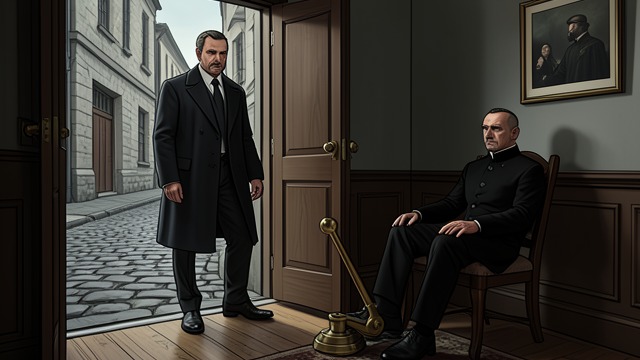
An Outsider Accepts the Case
Retirement interrupted
Flora asks Hercule Poirot to investigate, fearing that the local police are pursuing the wrong suspect. Poirot accepts because she demands the whole truth.
A methodical entrance
He joins Inspector Raglan without seeking publicity. His first task is not to announce a theory, but to observe the scene and its people.
The Room’s Silent Clues
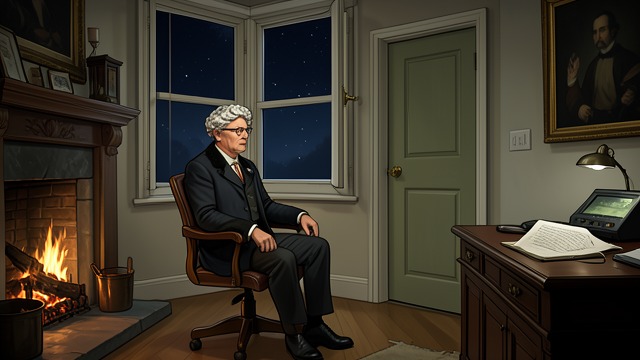
The Room’s Silent Clues
Objects under scrutiny
Poirot studies the open window, locked door, chair, fire, and missing letter. He asks what each detail requires rather than accepting the first explanation.
Method over spectacle
The chair’s altered position and the room’s arrangement seem trivial. Poirot treats their very triviality as a reason to investigate them further.
Separate Stories from Facts
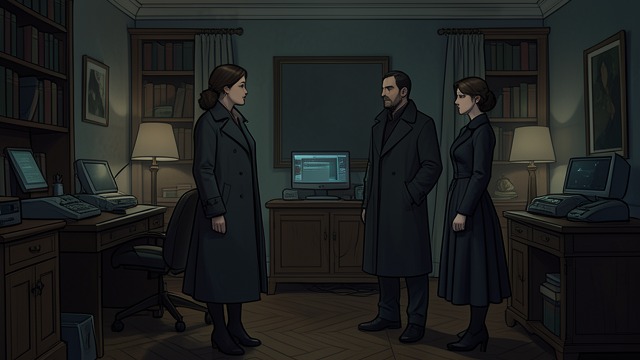
Separate Stories from Facts
Witnesses conceal different things
Poirot learns that Flora stole money, Miss Russell hides motherhood, and Ursula conceals her marriage. Their lies are real, but do not all concern murder.
Suspicion is not proof
By separating private shame from criminal responsibility, he avoids treating every false statement as evidence of homicide. The process narrows possibilities without simplifying people.
The Recording Hypothesis
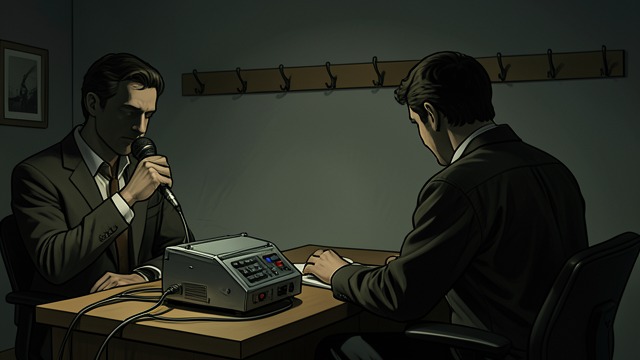
The Recording Hypothesis
A peculiar sentence
Poirot notices that the overheard words sound like dictated business language, not an exchange. He learns that Ackroyd purchased a Dictaphone.
Time becomes uncertain
The device could replay a recorded voice after its owner’s death. A supposed witness placing Ackroyd alive at half-past nine therefore cannot fix the time of murder.
A Complete Reconstruction
A Complete Reconstruction
The clues converge
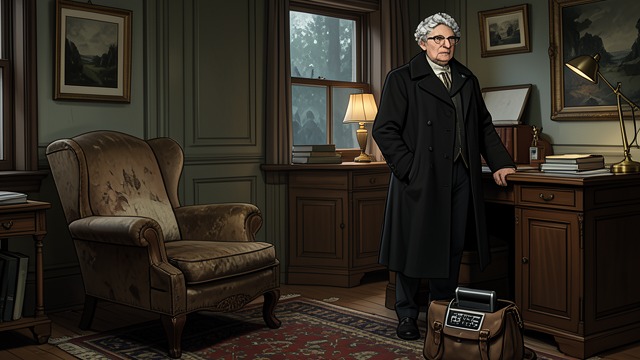
Poirot connects the ten-minute departure, the study armchair, Ralph’s boots, the missing Dictaphone, the dagger, and the false telephone story.
The final inference
The clues point to Dr. James Sheppard, whose medical knowledge and mechanical access enabled the murder and its cover story. Poirot’s method succeeds by making every detail answer to the same account.
Saturday morning after the murder
Saturday morning, during Poirot’s first examination
During the middle days of the investigation
After Raymond confirms Ackroyd’s dictation style
Near the ending, in private with Sheppard
